SodaSlim Official Website › Metabolism supplement guide
Metabolism supplement guideA Metabolism Supplement Guide: What Is Actually on the Shelf
Most metabolism supplements are built from five families: stimulants, tea catechins, chlorogenic acid, fibre and enzyme inhibitors. Two of those have human trials worth reading, two have trials that came back small or negative, and one is mostly animal work. This guide places each family and says what the published evidence looks like.
Written so that the ingredient list on any bottle in this category can be sorted into things that have been measured and things that have not.
The five families on this shelf
Stimulants
caffeine, and its relativesThe fast oneCaffeine, usually as anhydrous powder, and sometimes green tea or guarana standing in for it. This family is the only one that produces a sensation on the first day, which is why it appears in almost every product on the shelf whether or not the rest of the formula needs it.
The evidence is real and modest. A dose-response meta-analysis found an effect on body weight that scaled with the amount given. The reference point for healthy adults is 400 mg a day from every source, and the practical problem with this family is not efficacy but arithmetic: a product that does not print its caffeine content cannot be added into that total.
Tea catechins
EGCG from Camellia sinensisThe best-studied oneGreen tea extract, standardised for catechins or specifically for EGCG. This is the family with the largest human literature in the category and the one whose findings are most often overstated in both directions.
The respiratory-chamber trial measured a 4 per cent rise in 24-hour energy expenditure from 90 mg of EGCG with 50 mg of caffeine at each of three meals, with caffeine alone doing nothing. The Cochrane review found the weight effect small and not clinically important. Both are true, and the mechanistic review explains why they are compatible.
Safety matters at extract strength rather than tea strength: the USP review covers hepatotoxicity and a systematic review proposed 338 mg of EGCG a day as a safe intake level for a solid dose.
Chlorogenic acid
from the unroasted coffee beanThe glucose oneGreen coffee bean extract. Roasting destroys chlorogenic acid, so this is one of the few supplement ingredients that genuinely cannot be obtained from the food version.
A crossover study found it modified gut hormone secretion and glucose tolerance acutely, and a trial of enriched coffee measured 6.9 per cent less glucose absorbed. For body weight the 2023 meta-analysis pooled preparations delivering at least 500 mg of chlorogenic acid a day. The famous crossover that made the ingredient a household name, Vinson 2012, was retracted two years after publication.
Enzyme inhibitors
hydroxycitric acid, and similarThe tested oneGarcinia cambogia is the example. The proposal is inhibition of ATP-citrate lyase, which sits in the route carbohydrate takes on its way to becoming fat. As biochemistry that is coherent.
It was tested properly. The JAMA trial randomised 135 overweight adults to 1,500 mg of hydroxycitric acid a day or placebo for twelve weeks and found no separation on weight or fat mass. A safety and efficacy review surveys the wider literature and a case report describes liver injury attributed to a garcinia product.
Animal-evidence ingredients
raspberry ketone and its cousinsThe untested oneCompounds with a plausible mechanism, cell-line data, sometimes rodent work, and no randomised human trial. They are common on this shelf because they are cheap, sound specific and cannot be contradicted by a trial that does not exist.
Raspberry ketone is the clearest case. The 2021 review is candid that the marketing runs ahead of the data, and the mouse feeding study found it reduced food intake without reducing adiposity beyond that. A reader who can identify this family on a label has learned the single most useful thing in this guide.
What the whole category can and cannot do
Read together, the evidence for this shelf describes small average effects over months, in trials where diet was usually controlled as well. Nothing in it supports the language that sells these products, and nothing in it justifies dismissing them entirely either.
The honest summary is that two of the five families do something measurable in a laboratory, that the measurable thing is modest, and that the gap between a 4 per cent change in energy expenditure and a visible change in a person is where most disappointment in this category lives.
| The claim you will see | What the evidence supports |
|---|---|
| “Boosts your metabolism” | Catechins with caffeine raised 24-hour energy expenditure by about 4 per cent in a respiratory chamber. |
| “Burns fat” | Respiratory quotient shifted from 0.88 to 0.85 in the same trial: more fat oxidised as fuel. That is not fat lost. |
| “Blocks fat production” | The enzyme inhibition is real in vitro. The twelve-week human trial found no difference from placebo. |
| “Controls appetite” | Caffeine has a short-term effect, and a meta-analysis examined leptin and ghrelin directly. |
| “Clinically proven” | Almost never the product. Sometimes an ingredient, at an amount the product may not contain. |
The left column is category language rather than a quotation from any particular bottle.
The last row is the one worth carrying away. A claim that an ingredient is clinically studied is usually true and almost never about the product in your hand, because the product rarely states how much of that ingredient it contains. That is the subject of the companion guide.
Where blood pressure and the liver come into it
Two safety threads run through this shelf and both attach to the families with the best efficacy evidence, which is not a coincidence.
The first is cardiovascular. A dose-response meta-analysis found caffeine supplementation above 400 mg a day raised diastolic blood pressure, and a randomised trial of high-volume energy drink intake measured electrocardiographic changes alongside blood-pressure ones. A dose-response analysis of green coffee extract examined the same outcomes for that ingredient.
The second is hepatic. The USP review of green tea extract is the standing reference and the distinction it draws is the important one: brewed tea and a concentrated bolus of extract are different exposures. The safety review that proposed 338 mg of EGCG a day as a safe intake level set an observed safe level of 704 mg alongside it.
Neither thread is a reason to avoid the category. Both are reasons to prefer a product that prints what it contains, which brings the argument back to labels again.
An audit of the FDA's tainted supplements database found approved and unapproved drugs turning up in products sold as supplements between 2007 and 2021, with weight-loss products prominent. The defence is buying through a named seller with a traceable batch and a refund route.
How SodaSlim sits inside this category
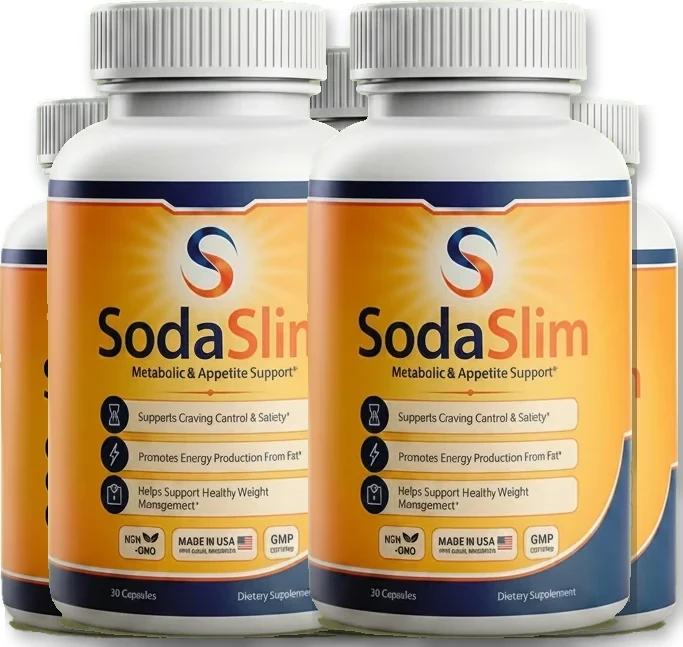
SodaSlim contains one ingredient from four of the five families: caffeine anhydrous, green tea extract, green coffee bean extract, garcinia and raspberry ketone. It carries no fibre and no fat blocker.
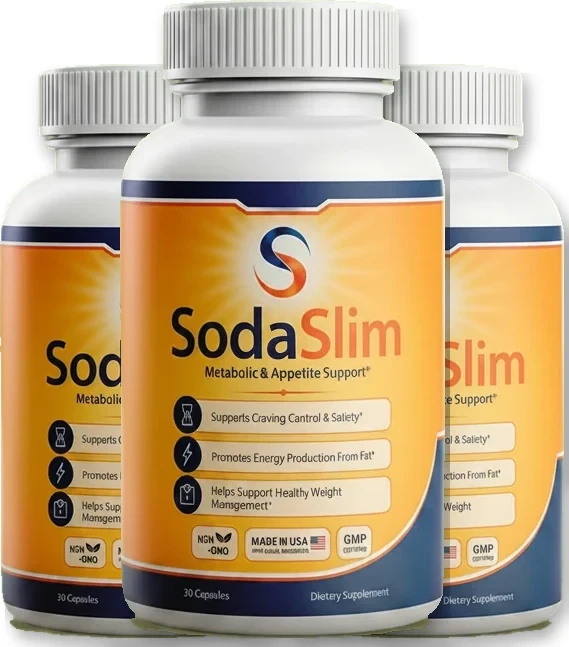
On composition that is an ordinary and reasonably sensible formula for this shelf: the two families with the best evidence are both present, and the chamber trial suggests they work together rather than separately. On disclosure it is below the better half of the shelf, because the artwork supplied with it carries no Supplement Facts panel and no amount for any of the five.
That combination — sound ingredient selection, absent quantification — is common enough in this category to be worth naming as a pattern rather than treating as a scandal. It is also exactly the pattern the companion guide is written to help a reader detect.
The product-specific version of all of this is on the SodaSlim ingredients page, which sets each published trial amount beside the label's own.
Sources for this category guide
Twenty-one records, every one fetched from PubMed while this guide was written.
- Tabrizi R, Saneei P, Lankarani KB, et al. The effects of caffeine intake on weight loss: a systematic review and dose-response meta-analysis of randomized controlled trials. Crit Rev Food Sci Nutr. 2019;59(16):2688-2696. PMID 30335479. https://pubmed.ncbi.nlm.nih.gov/30335479/
- Nawrot P, Jordan S, Eastwood J, et al. Effects of caffeine on human health. Food Addit Contam. 2003;20(1):1-30. PMID 12519715. https://pubmed.ncbi.nlm.nih.gov/12519715/
- Abbas-Hashemi SA, Hosseininasab D, Rastgoo S, et al. The effects of caffeine supplementation on blood pressure in adults: a systematic review and dose-response meta-analysis. Clin Nutr ESPEN. 2023;58:165-177. PMID 38057002. https://pubmed.ncbi.nlm.nih.gov/38057002/
- Shah SA, Szeto AH, Farewell R, et al. Impact of high volume energy drink consumption on electrocardiographic and blood pressure parameters: a randomized trial. J Am Heart Assoc. 2019;8(11):e011318. PMID 31137991. https://pubmed.ncbi.nlm.nih.gov/31137991/
- Dulloo AG, Duret C, Rohrer D, et al. Efficacy of a green tea extract rich in catechin polyphenols and caffeine in increasing 24-h energy expenditure and fat oxidation in humans. Am J Clin Nutr. 1999;70(6):1040-1045. PMID 10584049. https://pubmed.ncbi.nlm.nih.gov/10584049/
- Jurgens TM, Whelan AM, Killian L, et al. Green tea for weight loss and weight maintenance in overweight or obese adults. Cochrane Database Syst Rev. 2012;12:CD008650. PMID 23235664. https://pubmed.ncbi.nlm.nih.gov/23235664/
- Yang CS, Zhang J, Zhang L, et al. Mechanisms of body weight reduction and metabolic syndrome alleviation by tea. Mol Nutr Food Res. 2016;60(1):160-174. PMID 26577614. https://pubmed.ncbi.nlm.nih.gov/26577614/
- Haghighatdoost F, Nobakht M Gh BF, Hariri M. Effect of green tea on plasma leptin and ghrelin levels: a systematic review and meta-analysis of randomized controlled clinical trials. Nutrition. 2018;45:17-23. PMID 29129232. https://pubmed.ncbi.nlm.nih.gov/29129232/
- Oketch-Rabah HA, Roe AL, Rider CV, et al. United States Pharmacopeia (USP) comprehensive review of the hepatotoxicity of green tea extracts. Toxicol Rep. 2020;7:386-402. PMID 32140423. https://pubmed.ncbi.nlm.nih.gov/32140423/
- Hu J, Webster D, Cao J, Shao A. The safety of green tea and green tea extract consumption in adults — results of a systematic review. Regul Toxicol Pharmacol. 2018;95:412-433. PMID 29580974. https://pubmed.ncbi.nlm.nih.gov/29580974/
- Johnston KL, Clifford MN, Morgan LM. Coffee acutely modifies gastrointestinal hormone secretion and glucose tolerance in humans: glycemic effects of chlorogenic acid and caffeine. Am J Clin Nutr. 2003;78(4):728-733. PMID 14522730. https://pubmed.ncbi.nlm.nih.gov/14522730/
- Thom E. The effect of chlorogenic acid enriched coffee on glucose absorption in healthy volunteers and its effect on body mass when used long-term in overweight and obese people. J Int Med Res. 2007;35(6):900-908. PMID 18035001. https://pubmed.ncbi.nlm.nih.gov/18035001/
- Kanchanasurakit S, Saokaew S, Phisalprapa P, Duangjai A. Chlorogenic acid in green bean coffee on body weight: a systematic review and meta-analysis of randomized controlled trials. Syst Rev. 2023;12(1):163. PMID 37710316. https://pubmed.ncbi.nlm.nih.gov/37710316/
- Vinson JA, Burnham BR, Nagendran MV. Randomized, double-blind, placebo-controlled, linear dose, crossover study to evaluate the efficacy and safety of a green coffee bean extract in overweight subjects. Diabetes Metab Syndr Obes. 2012;5:21-27. RETRACTED — retraction notice Diabetes Metab Syndr Obes. 2014;7:467. PMID 22291473. https://pubmed.ncbi.nlm.nih.gov/22291473/
- Samavat S, Ashtary-Larky D, Naeini F, et al. The effects of green coffee bean extract on blood pressure and heart rate: a systematic review and dose-response meta-analysis of randomized controlled trials. Diabetes Metab Syndr. 2024;18(9):103120. PMID 39368321. https://pubmed.ncbi.nlm.nih.gov/39368321/
- Heymsfield SB, Allison DB, Vasselli JR, et al. Garcinia cambogia (hydroxycitric acid) as a potential antiobesity agent: a randomized controlled trial. JAMA. 1998;280(18):1596-1600. PMID 9820262. https://pubmed.ncbi.nlm.nih.gov/9820262/
- Márquez F, Babio N, Bulló M, Salas-Salvadó J. Evaluation of the safety and efficacy of hydroxycitric acid or Garcinia cambogia extracts in humans. Crit Rev Food Sci Nutr. 2012;52(7):585-594. PMID 22530711. https://pubmed.ncbi.nlm.nih.gov/22530711/
- Yousaf MN, Chaudhary FS, Hodanazari SM, Sittambalam CD. Hepatotoxicity associated with Garcinia cambogia: a case report. World J Hepatol. 2019;11(11):735-742. PMID 31772720. https://pubmed.ncbi.nlm.nih.gov/31772720/
- Rao S, Kurakula M, Mamidipalli N, et al. Pharmacological exploration of phenolic compound: raspberry ketone — update 2020. Plants (Basel). 2021;10(7). PMID 34209554. https://pubmed.ncbi.nlm.nih.gov/34209554/
- Cotten BM, Diamond SA, Banh T, et al. Raspberry ketone fails to reduce adiposity beyond decreasing food intake in C57BL/6 mice fed a high-fat diet. Food Funct. 2017;8(4):1512-1518. PMID 28378858. https://pubmed.ncbi.nlm.nih.gov/28378858/
- White CM. Continued risk of dietary supplements adulterated with approved and unapproved drugs: assessment of the US Food and Drug Administration's tainted supplements database 2007 through 2021. J Clin Pharmacol. 2022;62(8):928-934. PMID 35285963. https://pubmed.ncbi.nlm.nih.gov/35285963/
See how SodaSlim measures against the shelf
Four of the five families in one capsule, with the published trial amounts printed beside a panel that gives none.
Three bottles $207 · sixty-day window · 60 days to change your mind
Choose A SodaSlim PackThirty capsules, thirty mornings · lot SOD-26/SO-3198 · ships from the U.S.